
Exploring the Night Mind
Lucid Dreaming
& Dream Yoga
Where dreaming meets awakening
What is a Lucid Dream?
Lucid dreaming is not new age speculation. It was scientifically verified in 1975 by Keith Hearne and independently by Stephen LaBerge at Stanford University, when dreamers signaled from within REM sleep using pre-arranged eye movements. Since then, an explosion of research has confirmed what Tibetan Buddhists have known for over a thousand years: the dream state is workable, and consciousness can be trained within it.
Andrew Holecek is recognized as one of the world’s leading teachers on lucid dreaming and dream yoga, bringing together the ancient Tibetan Buddhist tradition with contemporary sleep science to make these practices accessible to modern seekers.
Understanding the Difference
Lucid Dreaming vs. Dream Yoga
People often use these terms interchangeably, but they represent two distinct levels of practice with different goals. Understanding this difference is essential for choosing the right path.
Western approach
Lucid Dreaming
The Western approach focuses on induction techniques — reality checks, mnemonic methods (MILD), wake-back-to-bed (WBTB), and other strategies for triggering lucidity. It draws primarily from cognitive psychology and sleep science.
Lucid dreaming can be deeply rewarding on its own terms: overcoming fears, rehearsing skills, accessing creative insights, and experiencing the sheer wonder of conscious dreaming.
Tibetan Buddhist Approach
Dream Yoga
In dream yoga, once you become lucid, you begin to work with the dream — transforming it, dissolving it, and eventually resting in the clear light that underlies all experience. The dream becomes a vehicle for seeing through the illusions that structure both sleeping and waking life.
Dream yoga is a complete spiritual path. It includes lucid dreaming as a foundation, but goes further — using the dream state to realize the illusory nature of all experience and to prepare for the bardos of death.
Think of it this way: lucid dreaming is like exploring a magnificent virtual reality. Dream yoga is like using that virtual reality to discover the nature of the one who is exploring.
The Meditation Connection
Why Lucid Dreaming Is Hard — And What Actually Helps
The secret is this: the single best daytime practice for lucid dreaming is meditation.
Here is why. A lucid dream arises when you bring meta-awareness — the awareness of awareness — into the dream state. This is exactly what meditation trains. Every time you notice that your mind has wandered and gently return to the breath, you are strengthening the same capacity that allows you to notice you are dreaming within a dream.
Without meditation, lucid dreaming techniques operate at the surface level. They may produce occasional lucid dreams, but they don’t address the fundamental issue: most of us are not very aware even during waking life. We are lost in thought, on autopilot, sleepwalking through our days. If you are not lucid during the day, it is unrealistic to expect lucidity at night.
The Dreaming Brain
Free Guide
How to Lucid Dream – My Top 10 Techniques
Download this free guide and discover Andrew’s top ten proven techniques for awakening inside your dreams — drawn from decades of teaching both Western science and Tibetan dream yoga.
Belief, intention & the daily practice of lucidity
Wake-and-back-to-bed & the MILD technique
Eastern methods: Sleeping Lion, Sitting Lion & Red Pearl
Supplements, dream masks & what actually works
Instant PDF download upon email confirmation. No spam, ever. Unsubscribe anytime.
Andrew is an encyclopedic jukebox of dharma wisdom — he has an extraordinary gift for translating the most complex teachings into language that is accessible, memorable, and immediately applicable.
Sleep Science
The Best Time for Lucid Dreaming
Understanding the architecture of sleep is essential for working with your dreams skillfully. Not all hours of sleep are created equal — and the most fertile territory for lucid dreaming occurs in a specific window.
Stage 1
Light Sleep
The transition from waking to sleep. Lasts only a few minutes. Hypnagogic imagery may appear.
Stage 2
True Sleep
Stage 3
Deep Sleep
Slow-wave sleep. Physical restoration. Dominant in first half of night. Hard to wake from.
REM
Dream Sleep
Vivid dreaming. Dominant in second half of night. REM periods grow longer toward morning.
This is why the most effective lucid dreaming window is in the last few hours of sleep — roughly from 4:00 AM onward. Techniques like wake-back-to-bed (WBTB) exploit this architecture by having you briefly wake during this window and then return to sleep with the intention to dream lucidly. Your longest and most vivid REM period of the night is your final one, often lasting 45 minutes to an hour.
This also explains why the Tibetan tradition emphasizes the importance of the sleep yoga practices in the early hours of the night (working with deep sleep and the clear light) and the dream yoga practices in the later hours (working with the REM-rich territory before waking).
The 9 Stages of Dream Yoga
Andrew has developed a practical framework that transforms the three traditional phases of dream yoga into nine clear, accessible stages — from your very first lucid dream to the most advanced practices of sleep yoga.
1
Becoming Lucid
Developing dream recall, learning induction techniques, and having your first lucid dreams. Building the foundation of nighttime awareness.
2-6
Working with the Dream
Stabilizing lucidity, transforming dream content, and beginning to see through the solidity of dream appearances. The transition from lucid dreaming to dream yoga.
7-9
Beyond the Dream
Dissolving the dream entirely, resting in the clear light of sleep, and recognizing the nature of mind itself. The culmination of the path.
Go Deeper
Books on Lucid Dreaming & Dream Yoga
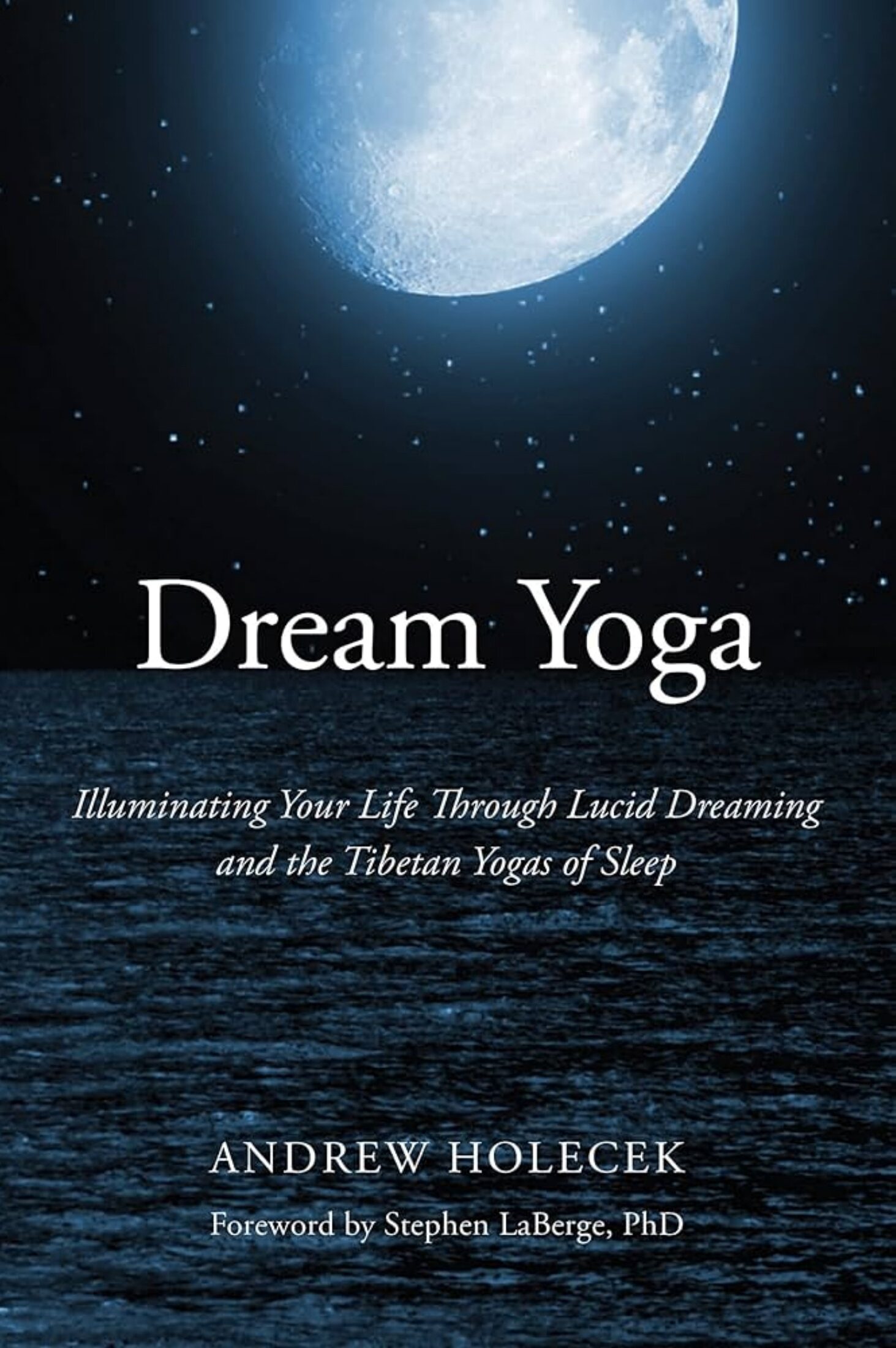
Dream Yoga
Illuminating your life through lucid dreaming and the tibetan yoga of sleep
Dreams of Light
The profound daytime practice of lucid dreaming
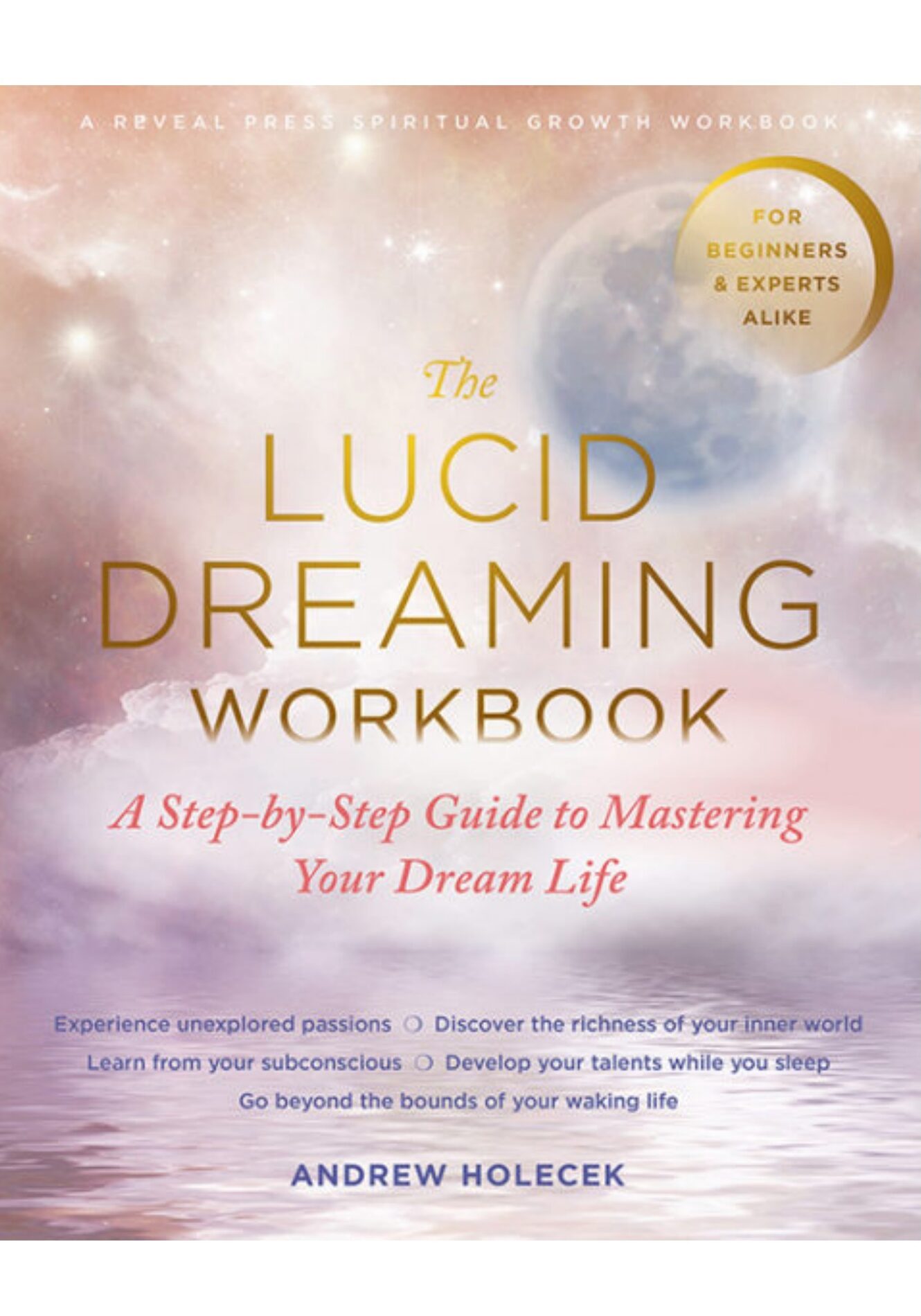
Lucid Dreaming Workbook
A Step-by-Step Guide to Mastering Your Dream Life